Getting Experience
Emergency Management Internships: Find Your Placement

Start your search for emergency management internships with your degree plan open. A promising placement can still leave you short of the hours, supervision or academic approval your program requires. The difference is concrete: the University of North Texas and the University of Nebraska at Omaha describe different hour commitments for the same broad field.
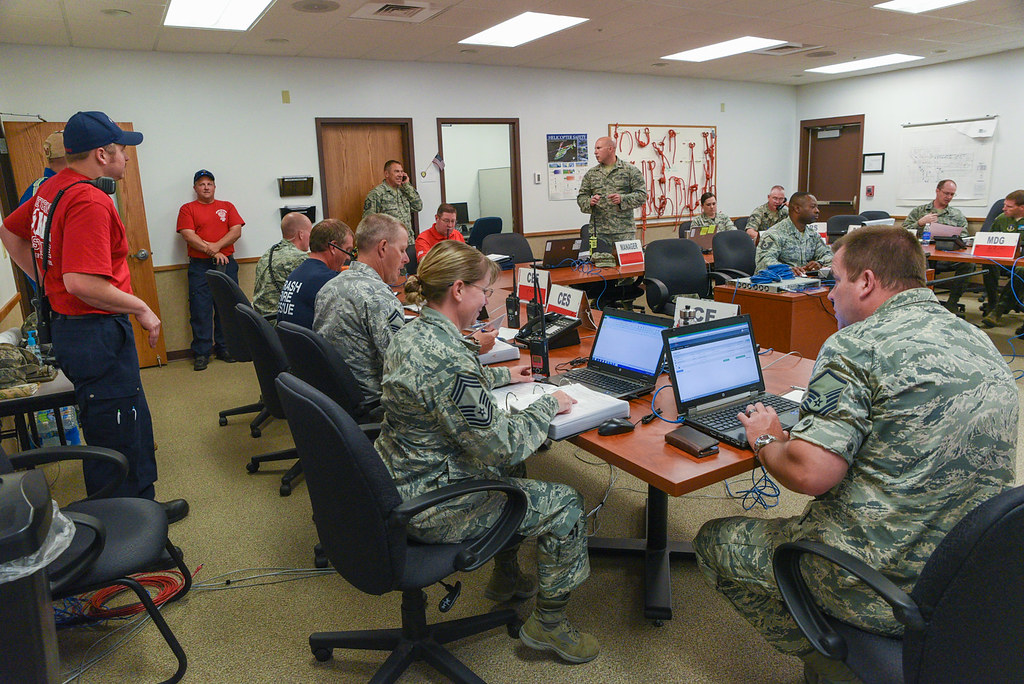
Compare Emergency Management Internships by Academic Requirement
Both universities appear in our bachelor's program comparison. Looking past the degree name reveals a scheduling difference that a ranking score cannot settle for you. These are examples of university rules, not interchangeable placement options.
| University | Published requirement | What to arrange |
|---|---|---|
| North Texas internship | 240 hours for the pre-career route | Complete internship preparation before the appointment and arrange the practicum with the department. |
| Nebraska at Omaha internship | 135 contact hours | Coordinate with the advisor. UNO describes placements in public, nonprofit and private organizations. |
For a planning example, at 10 hours a week, those commitments take 24 and 13.5 weeks respectively. That's arithmetic, not either school's promised schedule. Build your calendar around the host's working hours and the university's term dates before accepting.
Your work history also matters. UNT distinguishes pre-career and in-career students, with different internship obligations. Have the department classify your experience rather than assuming an existing public safety job automatically replaces the placement.
Where to Look for Emergency Management Internships
Use the university's placement relationships first. UNO says you can also discuss a host you find yourself. Bring your coordinator a specific organization and a description of the work, not just an agency name. A placement needs someone who can supervise you and a project the department can assess.
Florida's Division of Emergency Management internship program places participants according to their interests and available projects. Its internships are based at headquarters in Tallahassee, with rolling acceptance until positions fill. The application package includes a state employment application, cover letter and resume. Treat the location as a budget decision alongside the work itself.
The U.S. Fire Administration student volunteer program is another route. It requires U.S. citizenship, a background check and educational institution approval, along with qualifying enrollment. USFA asks for a resume, cover letter and references. Read its cohort calendar before preparing an application because application months and placement months differ.
When you search emergency management internships near home, use the state and county agency's own website to confirm the opportunity. A reposted listing can help you discover a host, but the host's current posting should decide where you apply and which documents you send.
What to Agree Before an Emergency Management Internship Starts
Use the first conversation to turn a broad offer into a workable plan. Ask the host and your academic advisor to settle these points:
- The work: ask which planning, exercise, outreach or recovery project you'll contribute to and what a finished assignment looks like.
- The supervisor: identify who assigns work, reviews it and signs the university's evaluation.
- The schedule: agree on workdays, location, expected hours and how conflicts with classes will be handled.
- The money: confirm pay or volunteer status, travel costs, housing and any tuition charged for the academic internship course.
- The evidence: ask whether you can retain a redacted work sample or a description of your contribution for your portfolio.
For example, propose a small, reviewable assignment such as helping update an exercise contact list or organizing feedback from a practice event. These are ideas to discuss, not tasks promised by the hosts above. Get permission before sharing operational documents outside the organization.
Turn the Placement into Evidence for Your Next Application
Keep a record of the problem you worked on, your contribution, the review you received and what changed. That gives you something concrete to discuss when you apply for a specialist or coordinator role. A certificate of attendance tells an employer less than a clear account of work you completed with supervision.
Keep the career timeline realistic. BLS describes emergency management director work as requiring a bachelor's degree and substantial related experience in the typical entry route. Emergency management internships can help you begin building that experience. They don't turn a degree into an immediate director appointment.
If you're still preparing for applications, use the guide to introductory courses and college credit to choose useful training. If travel or unpaid time is the obstacle, review funding eligibility and tuition discounts as part of the whole degree budget.
Questions About Emergency Management Internships
Where can I find emergency management internships?
Start with your university internship coordinator, then check the official internship pages of state and local emergency management agencies. Florida publishes an agency internship program, while the U.S. Fire Administration offers student volunteer placements. Compare the host requirements with your academic placement rules.
How many hours do emergency management internships require?
The requirement depends on the program. UNT's pre-career internship involves 240 hours, while the University of Nebraska at Omaha describes 135 contact hours. Those are program examples, not a national requirement.
Are emergency management internships paid?
Check the individual posting and get the compensation terms in writing. A placement that earns college credit is not automatically paid. The USFA program described here is a student volunteer program, and its participants are not federal employees for ordinary employee benefits.
Can an internship count toward an online degree?
Ask your online program to approve the host, supervisor, duties and schedule before starting. Online coursework and an approved field placement are separate arrangements. Confirm whether the placement must be local, on site, or can include remote work.
University and agency requirements checked September 14, 2026. Confirm the current posting and your department's approval before accepting a placement.